Field Trip to the San Shui Soil and Water Conservation Outdoor Classroom



publish date :
2024-03-15
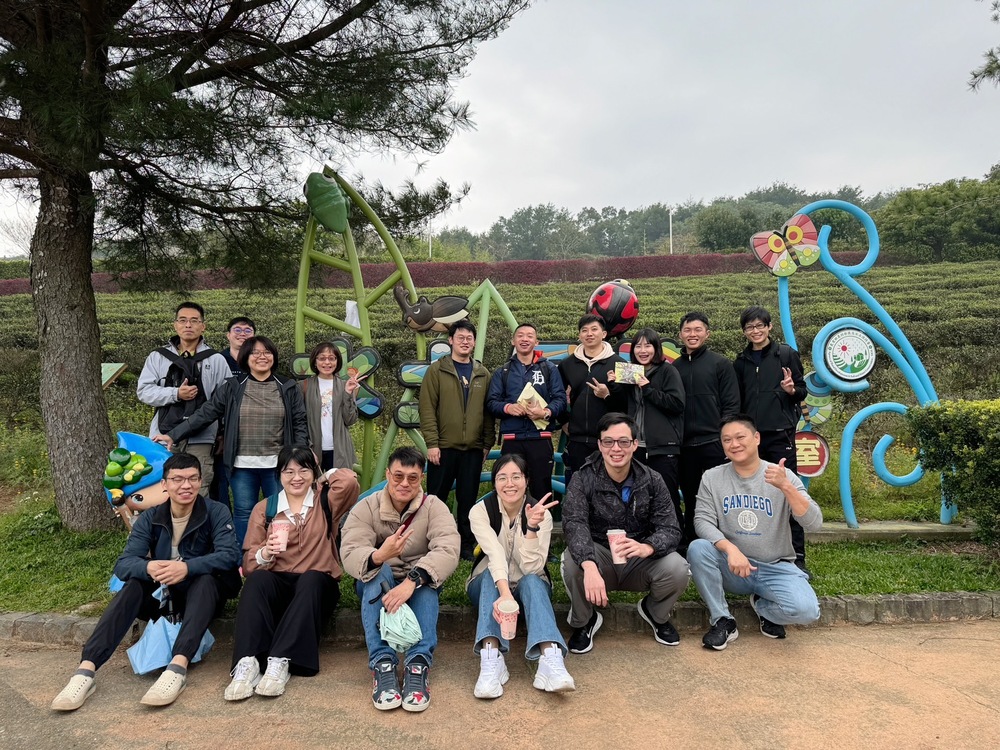
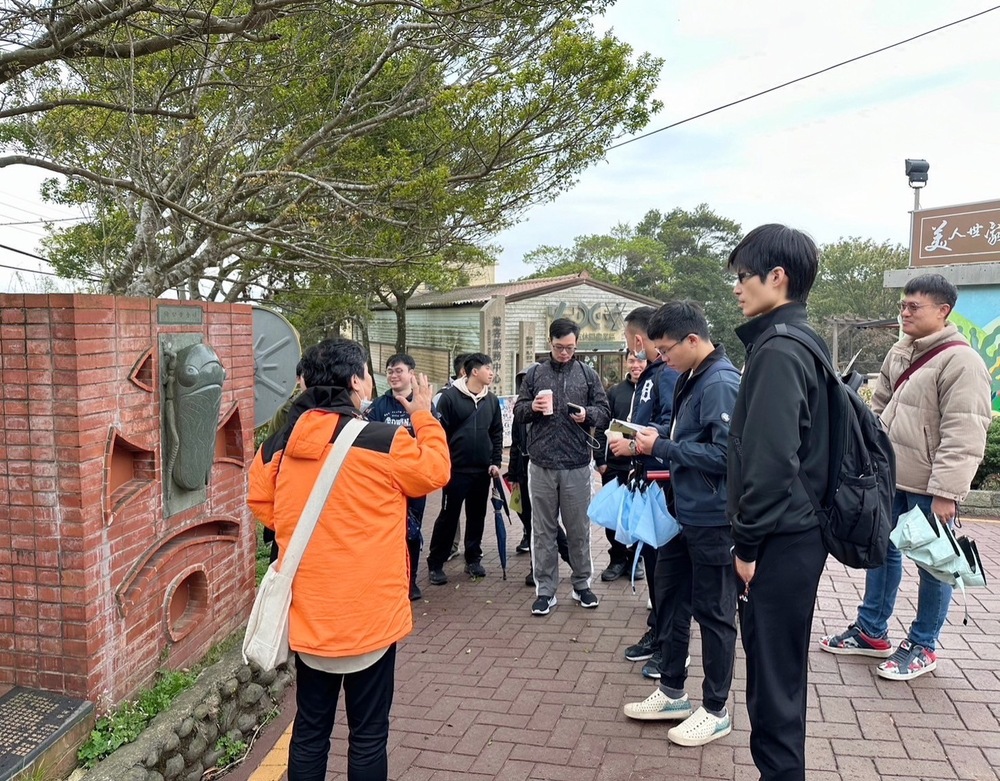
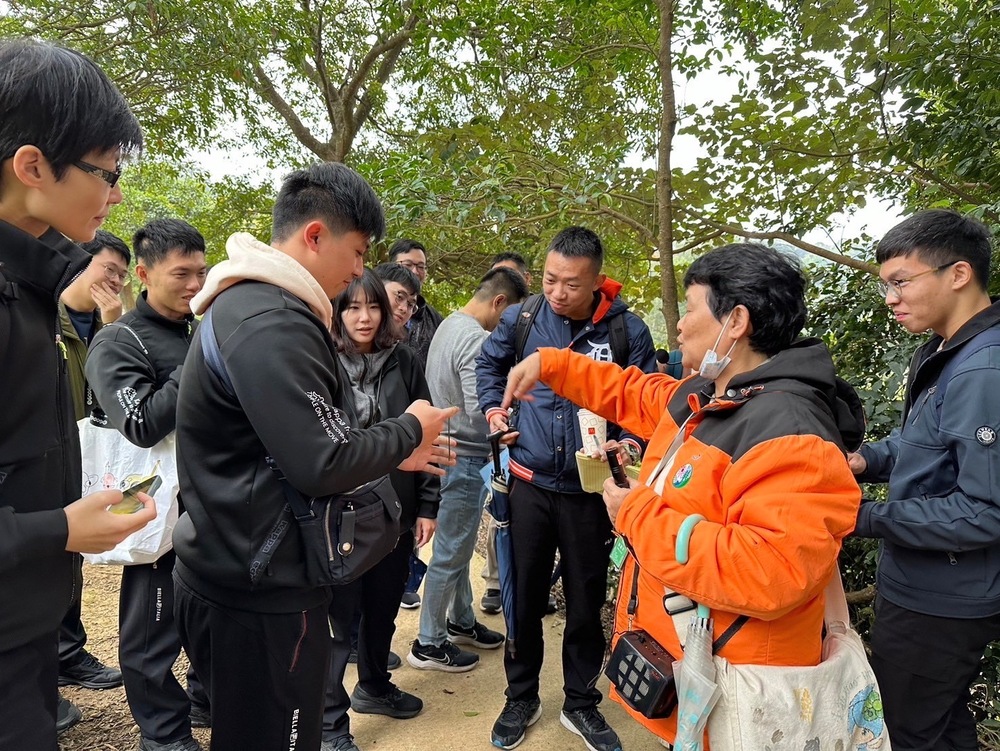
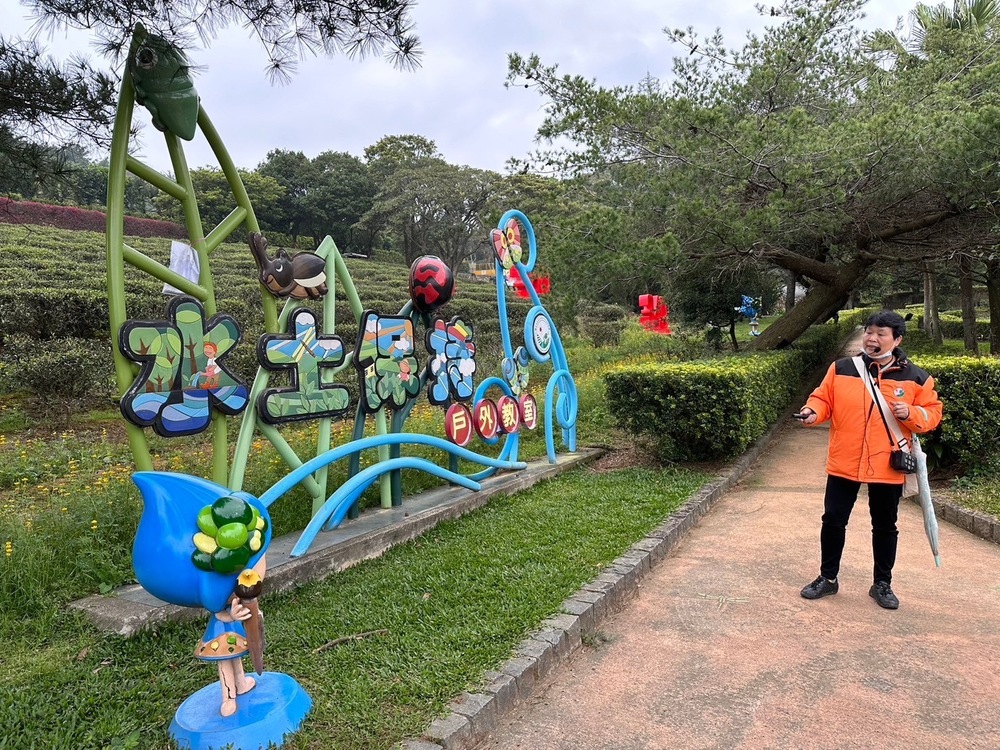
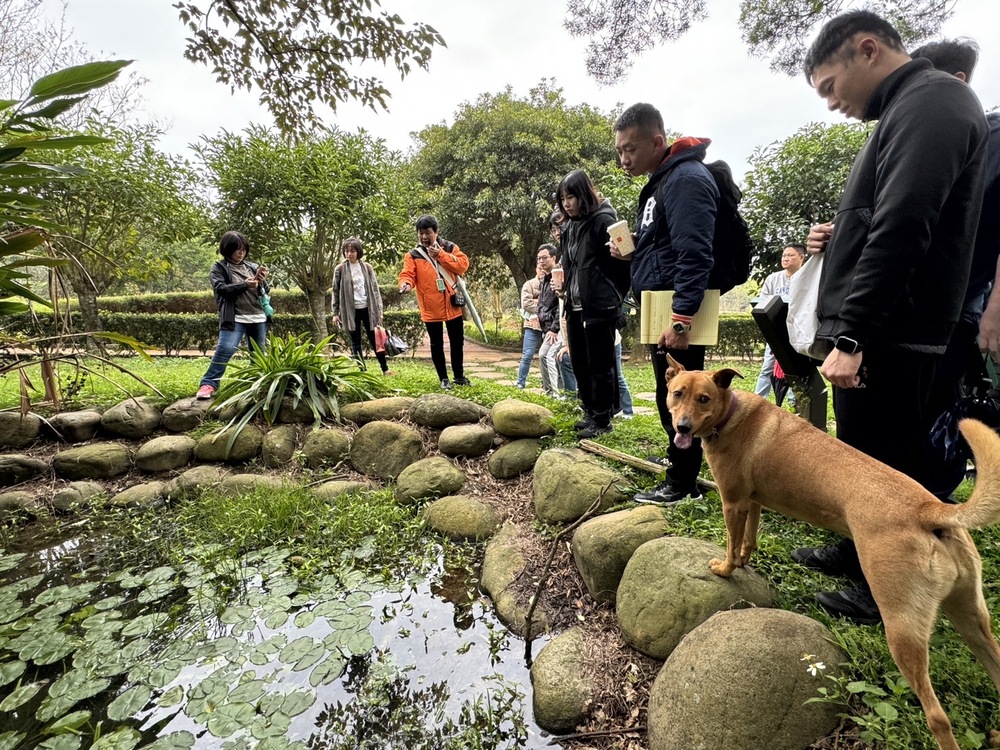
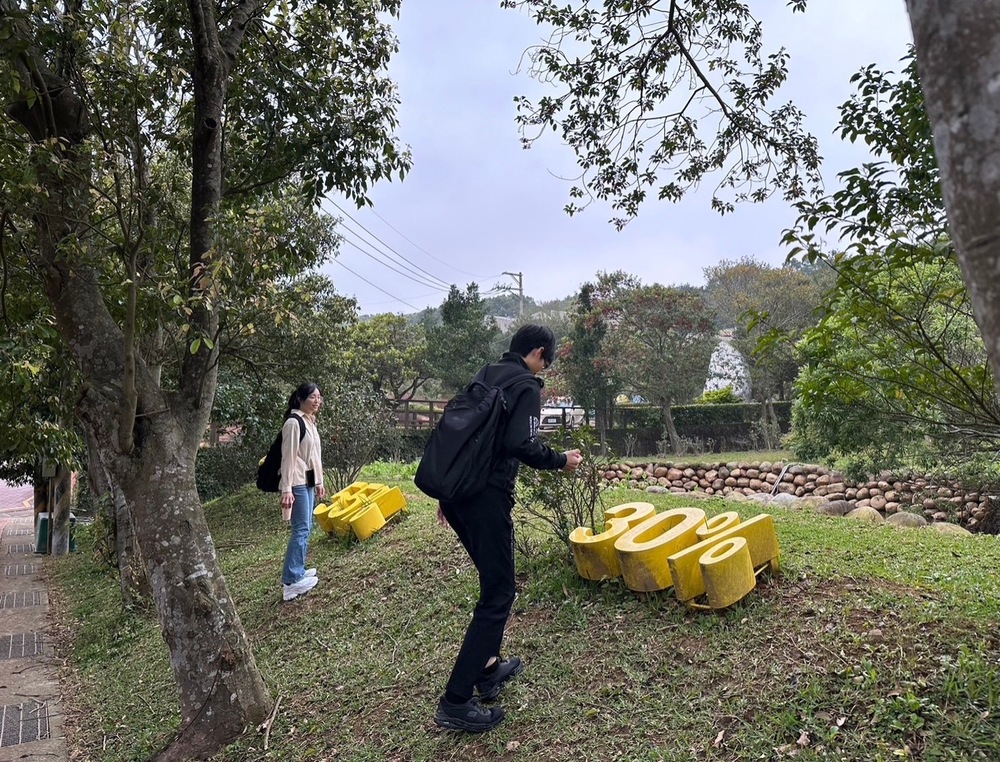
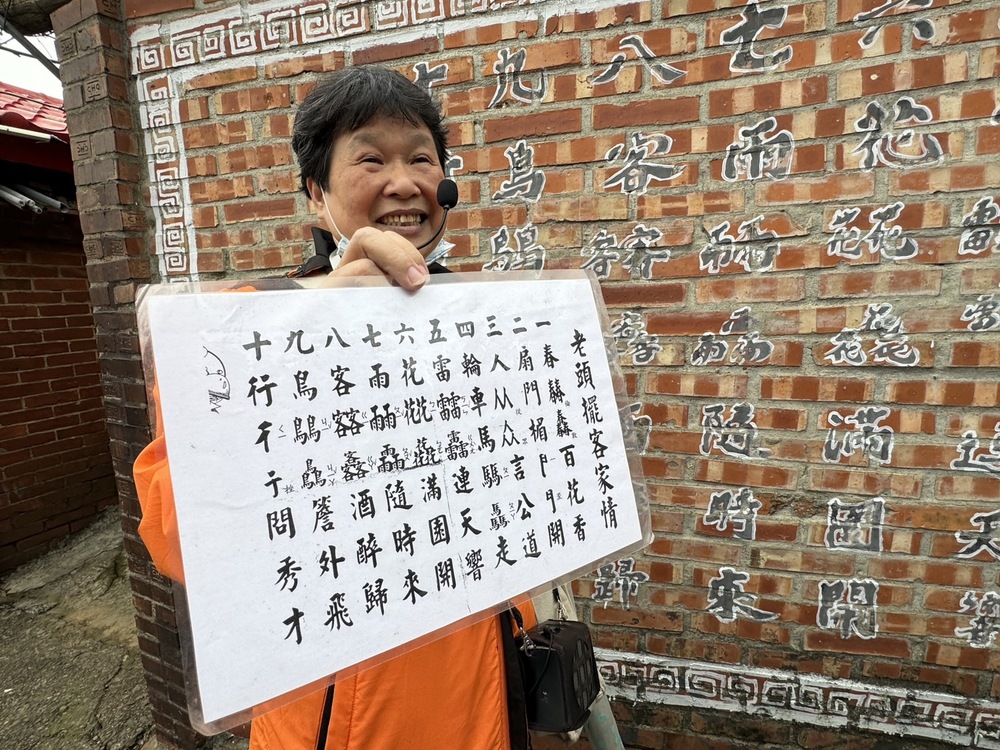
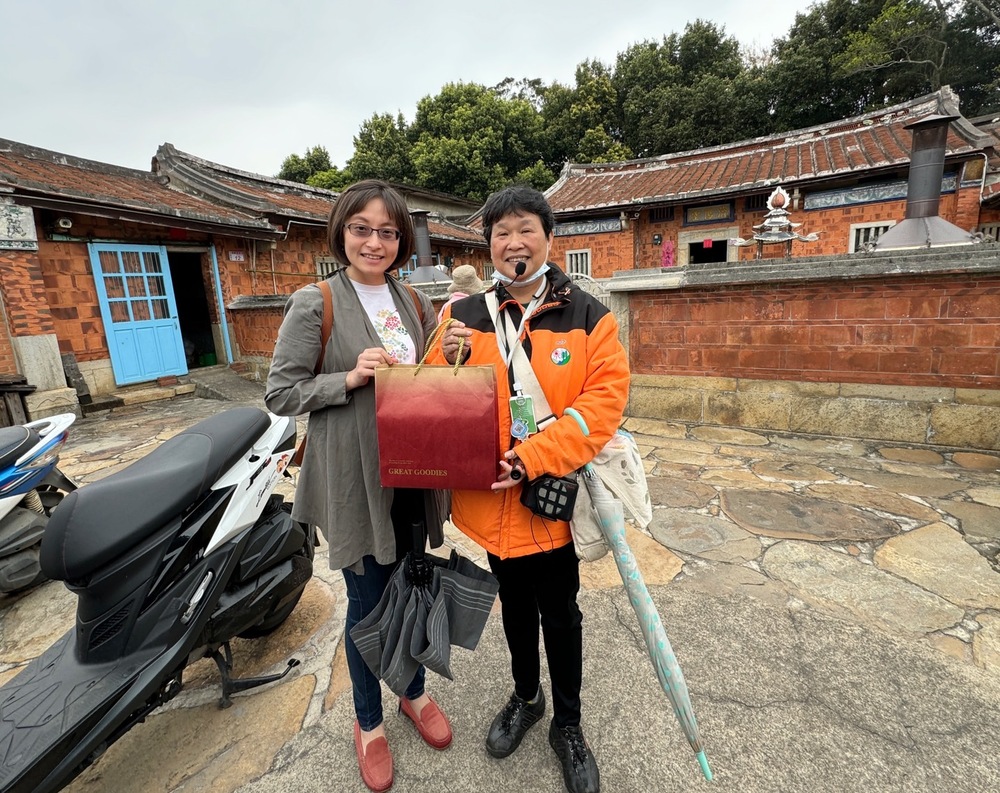
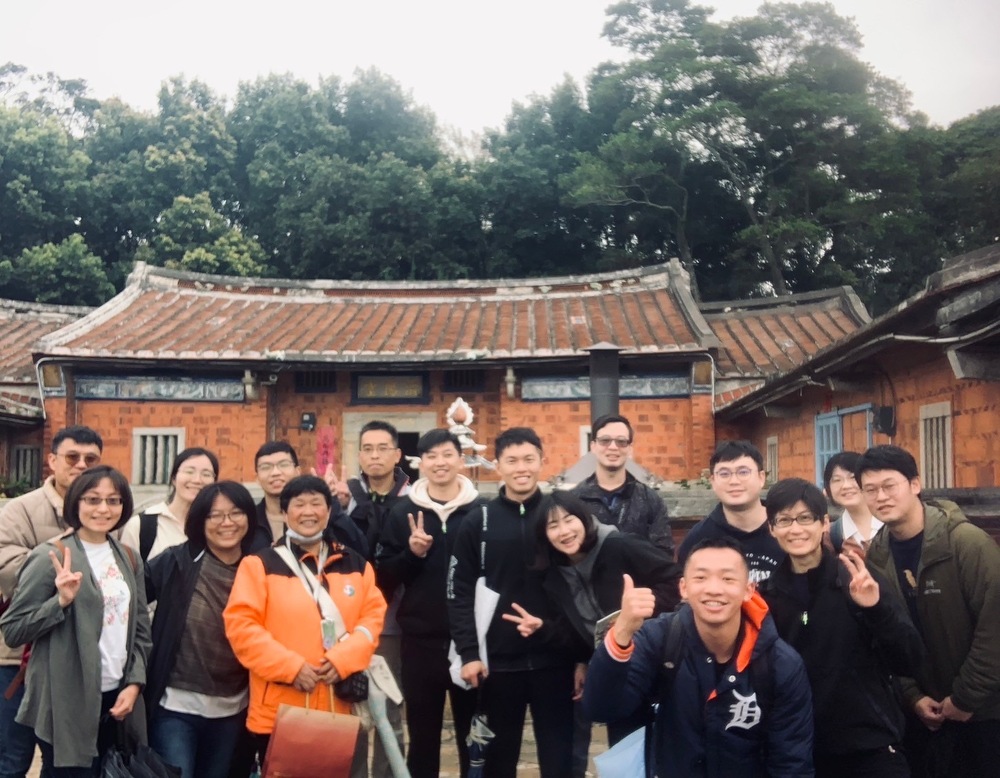
On March 15, 2024, our department visited the San Shui Soil and Water Conservation Outdoor Classroom located in the Da Bei Keng community of Longtan District, Taoyuan. This environmental education field is planned and managed by the Taipei Branch, Agency of Rural Development and Soil and Water Conservation, Ministry of Agriculture. Guided by the enthusiastic local volunteer, Mrs. Zhan, our faculty and students enjoyed a uniquely designed reality puzzle game that was both educational and entertaining. The site features a diverse range of facilities, including slope land disaster mitigation, ecological farm ponds, a tea tree maze, a rhinoceros beetle observation area, and an interactive water recycle area with permeable pavement.
Furthermore, we had a first-hand experience of different incline angles at the "Slope Experience Area" and observed the stability of slope-land soils with bare, mulched, crop covering, and forested slope-land cover, under the same amount of artificial rainfall in the "Soil Erosion Observation Area". This demonstrated the impact of different covers on the displacement of surface materials during rainfall. To perform disaster risk reduction, ecological conservation, and landscape aesthetics, the park is designed with various nature-friendly facilities, such as the "Stone Retaining Wall" to prevent landslides and soil erosion on the slopes, the "Hillside Ditches" to drain water from crops on sloping land and avoid the loss of soil and rocks, and the "Contour Cultivation" to increase rainwater infiltration and reduce surface runoff on slopes.
The most impressive aspect is that these lands were originally privately owned. Through the generous contributions of the landowners and the technical support from government units, followed by cooperative agreements, the landowners have continued to maintain the area over the years, transforming it into a site that not only promotes local tourism for mutual economic benefits but also serves as an educational and ecological conservation area. It is clear that ecosystem-based disaster risk reduction cannot rely solely on temporary construction planning. Rather, it requires the joint management and long-term maintenance by residents and stakeholders to achieve the goal of sustainable development.
Furthermore, we had a first-hand experience of different incline angles at the "Slope Experience Area" and observed the stability of slope-land soils with bare, mulched, crop covering, and forested slope-land cover, under the same amount of artificial rainfall in the "Soil Erosion Observation Area". This demonstrated the impact of different covers on the displacement of surface materials during rainfall. To perform disaster risk reduction, ecological conservation, and landscape aesthetics, the park is designed with various nature-friendly facilities, such as the "Stone Retaining Wall" to prevent landslides and soil erosion on the slopes, the "Hillside Ditches" to drain water from crops on sloping land and avoid the loss of soil and rocks, and the "Contour Cultivation" to increase rainwater infiltration and reduce surface runoff on slopes.
The most impressive aspect is that these lands were originally privately owned. Through the generous contributions of the landowners and the technical support from government units, followed by cooperative agreements, the landowners have continued to maintain the area over the years, transforming it into a site that not only promotes local tourism for mutual economic benefits but also serves as an educational and ecological conservation area. It is clear that ecosystem-based disaster risk reduction cannot rely solely on temporary construction planning. Rather, it requires the joint management and long-term maintenance by residents and stakeholders to achieve the goal of sustainable development.