Lecture by Mr. Zhao Xiongjian from NTU Writing CenterⅡ
publish date :
2025-03-18
In the previous lecture, Ms. Chiu shared the importance of logic in essay writing and emphasized that causal argumentation can stabilize the foundation of an argument and convince readers to agree with the author's point of view.
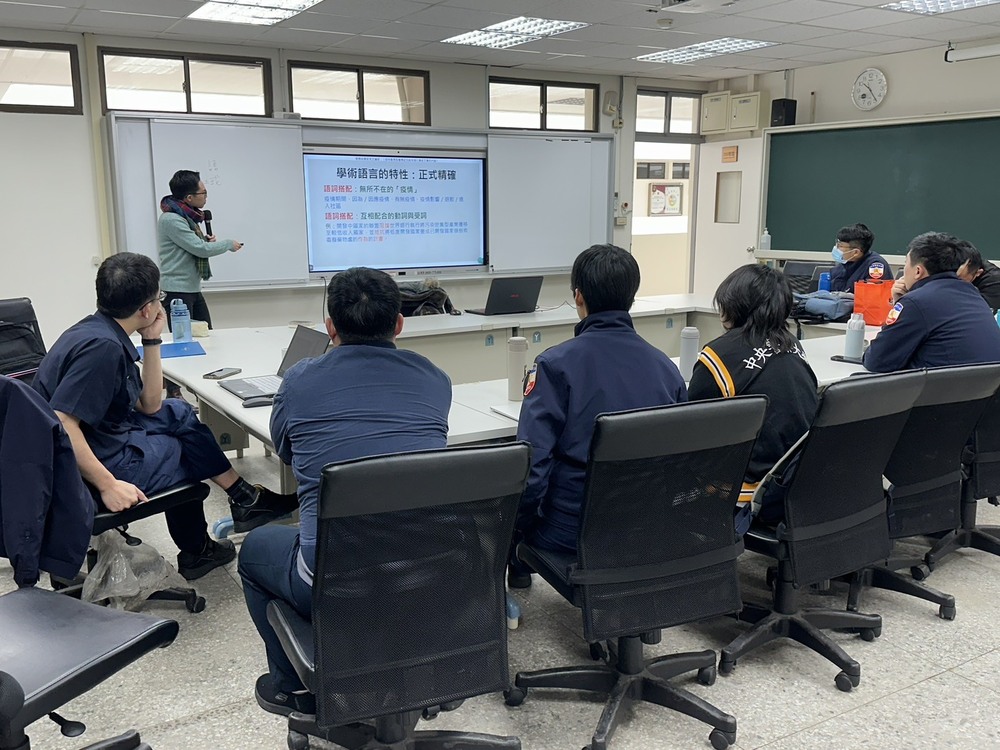
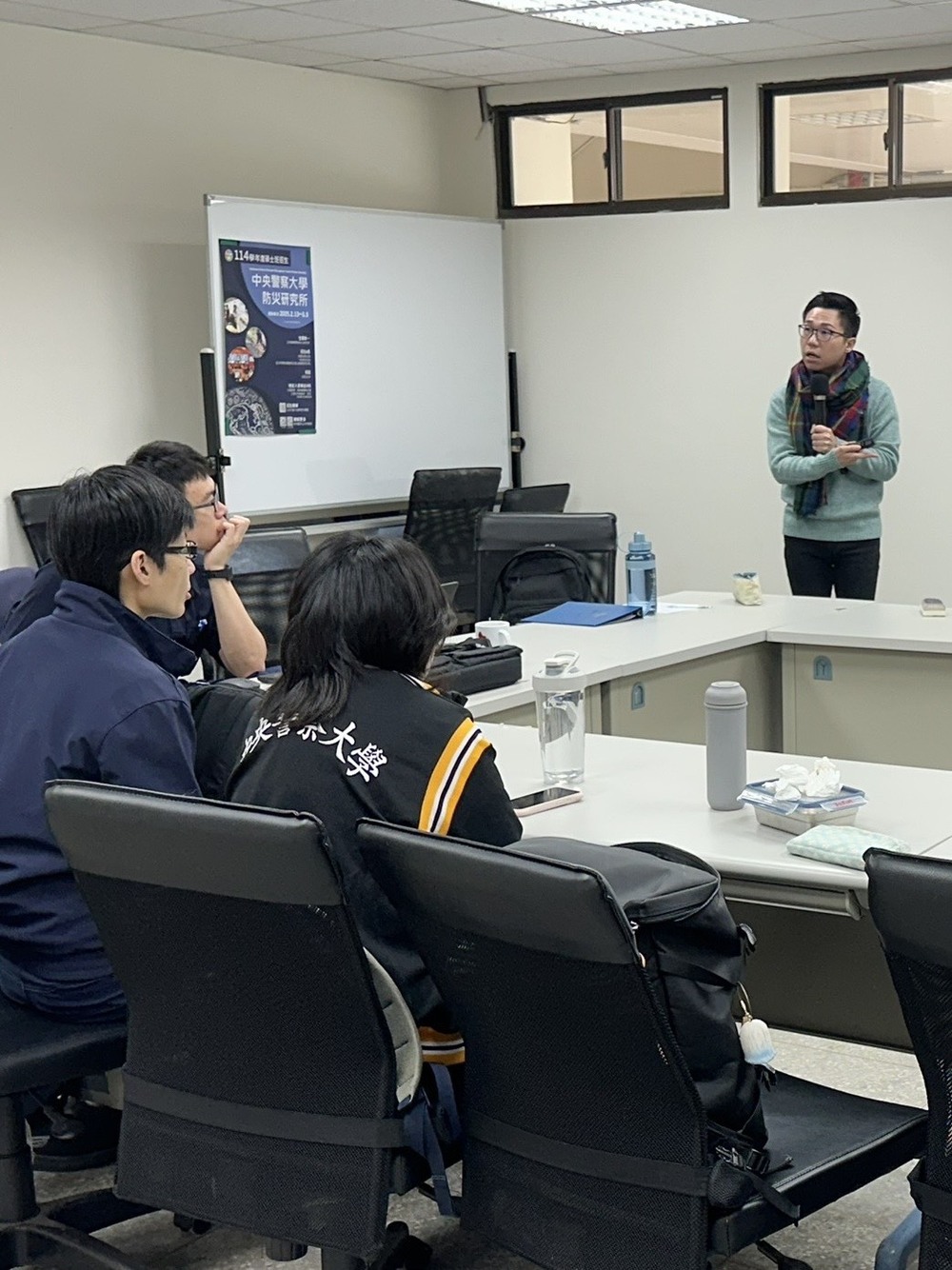
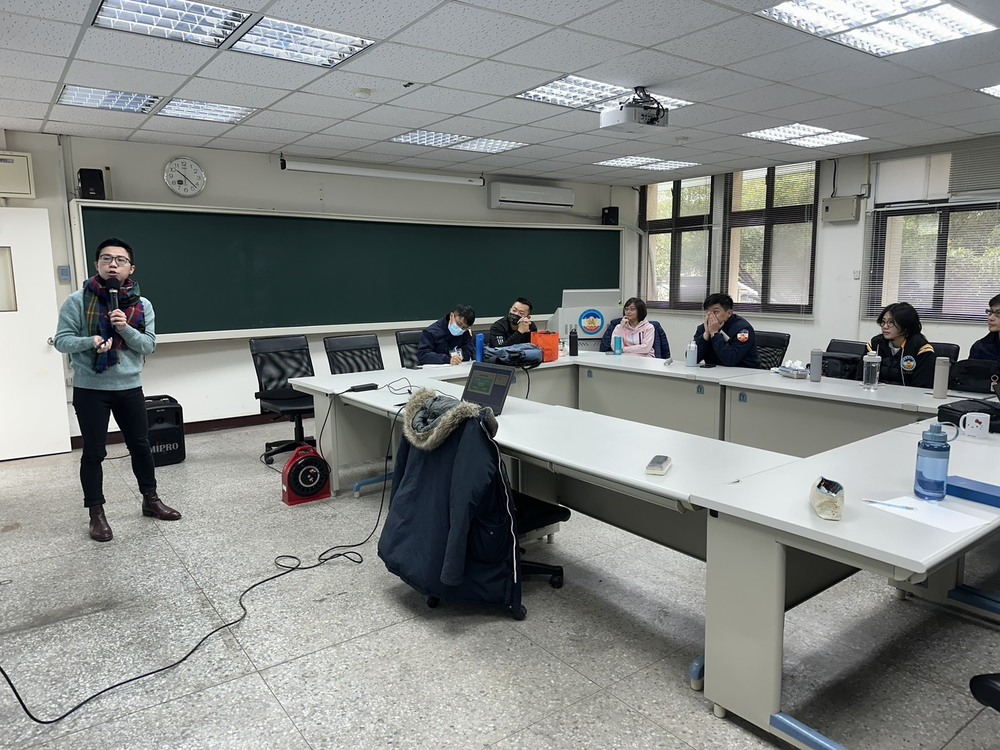
This talk further explored the paragraphs and chapters of an academic paper. First, the teacher introduced the composition of sentences. The four basic sentence types include narrative sentence, declarative sentence, judgmental sentence, and presence/absence sentence. During the process of writing, one can always check whether the sentence structure conforms to one of the four sentence types to make sure that the content of the essay conveys a complete idea, and to follow the principle of “simple short sentences and strict long sentences” to improve the readability of the essay.
The teacher compared a paragraph to a hamburger, with the top and bottom slices of bread being the main and concluding sentences, and the middle slices of lettuce, cheese, and cutlets being the process of discussion. The main and concluding sentences must be interrelated and have similar stances, and the appropriate use of connecting words between sentences can show the tone of the preceding and following texts and serve as a bridge between the previous and the next.
After listening to Mr. Zhao's sharing, students benefited a lot and fully understood that it is not difficult to expand sentences into paragraphs and paragraphs into chapters as long as the main point of expression is established.
This talk further explored the paragraphs and chapters of an academic paper. First, the teacher introduced the composition of sentences. The four basic sentence types include narrative sentence, declarative sentence, judgmental sentence, and presence/absence sentence. During the process of writing, one can always check whether the sentence structure conforms to one of the four sentence types to make sure that the content of the essay conveys a complete idea, and to follow the principle of “simple short sentences and strict long sentences” to improve the readability of the essay.
The teacher compared a paragraph to a hamburger, with the top and bottom slices of bread being the main and concluding sentences, and the middle slices of lettuce, cheese, and cutlets being the process of discussion. The main and concluding sentences must be interrelated and have similar stances, and the appropriate use of connecting words between sentences can show the tone of the preceding and following texts and serve as a bridge between the previous and the next.
After listening to Mr. Zhao's sharing, students benefited a lot and fully understood that it is not difficult to expand sentences into paragraphs and paragraphs into chapters as long as the main point of expression is established.